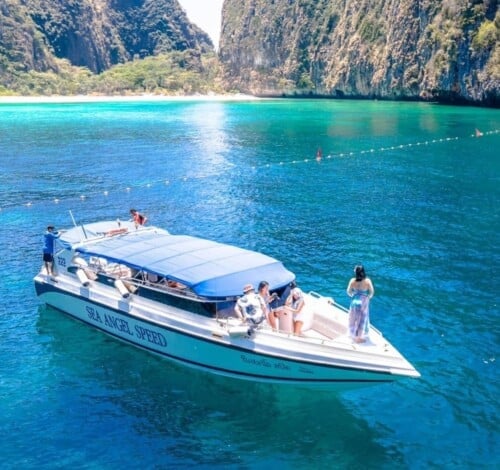
Imaginez-vous au bord d'un lagon d'un bleu cristallin, entouré de hautes falaises calcaires qui encadrent l'un des sites les plus pittoresques de la planète. Vous êtes à Maya Bay, un coin de paradis qui a conquis le cœur et l'imagination des voyageurs du monde entier. Cette baie à couper le souffle, rendue célèbre par le film “ La Plage ”, est bien plus qu'un simple décor de carte postale : c'est une merveille écologique en équilibre précaire. Afin de préserver sa beauté fragile, Maya Bay sera temporairement fermée du 1er août 2024 au 30 septembre 2024, une mesure essentielle à la régénération de son écosystème fragile.
Bien que l'annonce de la fermeture de Maya Bay du 1er août au 30 septembre 2024 puisse décevoir les touristes impatients, cette brève interruption a une raison d'être bien plus importante. Elle offre à la nature l'opportunité de se régénérer, permettant aux récifs coralliens de se renouveler et à la vie marine de s'épanouir loin de l'agitation humaine. Cette période de repos restaure non seulement l'harmonie naturelle, mais garantit également que les futurs visiteurs pourront être émerveillés par la même beauté intacte. Dans cet article, nous explorons les raisons de cette pause essentielle, ses bienfaits environnementaux, son impact sur le tourisme et les aventures alternatives proposées pendant cette période. Suivez-nous dans cette démarche visant à préserver ce paradis.
The Legacy of Maya Bay: From Movie Fame to Environmental Concerns
Maya Bay, located on the stunning island of Koh Phi Phi Leh in Thailand, rose to fame after being featured in the 2000 film “The Beach,” starring Leonardo DiCaprio. The movie showcased the bay’s pristine beauty and untouched landscapes, attracting millions of tourists from all corners of the world. However, this newfound popularity came at a cost.
As visitor numbers soared, so did the environmental impact on Maya Bay. The delicate ecosystem that had once thrived began to suffer under the weight of human activity. Coral reefs were damaged by careless snorkelers and divers, while pollution from boats and beachgoers threatened marine life. It became clear that action needed to be taken to preserve this natural wonder.
In response to these concerns, Thai authorities made the difficult decision to temporarily close Maya Bay from 1 August 2024 to 30 September 2024. This closure aims to give nature a chance to recover and restore its fragile balance.
Human Impact on Maya Bay: A Delicate Ecosystem at Risk
The allure of Maya Bay is undeniable. Its turquoise waters, soft white sands, and towering cliffs create a picturesque setting that seems almost too perfect for reality. However, this idyllic paradise has been under threat due to human activities.
Tourism has played a significant role in altering the natural state of Maya Bay. The constant influx of visitors has led to overcrowding on its shores and in its waters. Snorkeling and diving enthusiasts have unintentionally damaged coral reefs through physical contact or by using harmful sunscreens that contain chemicals harmful to marine life.
Boat traffic has also taken its toll on Maya Bay’s ecosystem. Pollution from fuel spills and improper waste disposal have polluted the waters, affecting the delicate balance of marine life. The noise and disturbance caused by boats disrupt the natural behavior of marine animals, including nesting turtles and migratory birds.
These human-induced pressures have pushed Maya Bay to a tipping point, prompting authorities to take drastic measures to protect its fragile ecosystem.
The Decision to Close: Balancing Conservation and Tourism
The decision to close Maya Bay from 1 August 2024 to 30 September 2024 was not made lightly. It involved careful consideration of both environmental concerns and the impact on tourism.
By temporarily closing Maya Bay, authorities hope to give nature a chance to recover and rejuvenate. During this period, coral reefs can regenerate, marine life can thrive undisturbed, and the overall health of the bay can be restored. This pause in tourism activity is crucial for preserving Maya Bay’s long-term sustainability.
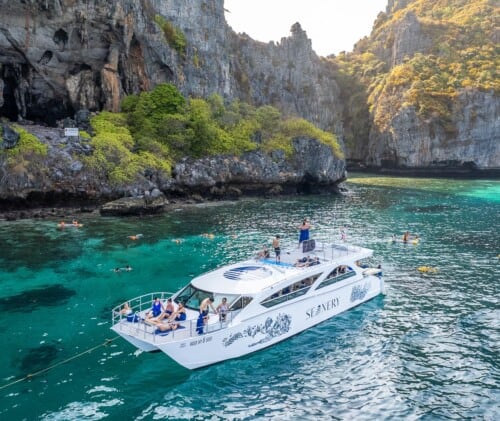
While the closure may disappoint some eager tourists who had planned their visit during this period, it presents an opportunity for them to explore alternative destinations nearby. The surrounding islands of Koh Phi Phi offer equally breathtaking landscapes and experiences that showcase Thailand’s natural beauty.
Visitors can still enjoy activities such as snorkeling, diving, and island hopping around Koh Phi Phi during the temporary closure of Maya Bay. These alternative adventures allow travelers to discover hidden gems while minimizing their impact on fragile ecosystems.
In conclusion, the temporary closure of Maya Bay from 1 August 2024 to 30 September 2024 is a necessary step towards preserving this ecological wonder for future generations. By giving nature time to heal and regenerate, we can ensure that Maya Bay continues to captivate visitors with its untouched beauty for years to come. Let us embrace this pause as an opportunity for reflection and appreciation of our planet’s delicate ecosystems.